
From the Andes to the Amazon: Protecting Ecuador’s biodiversity
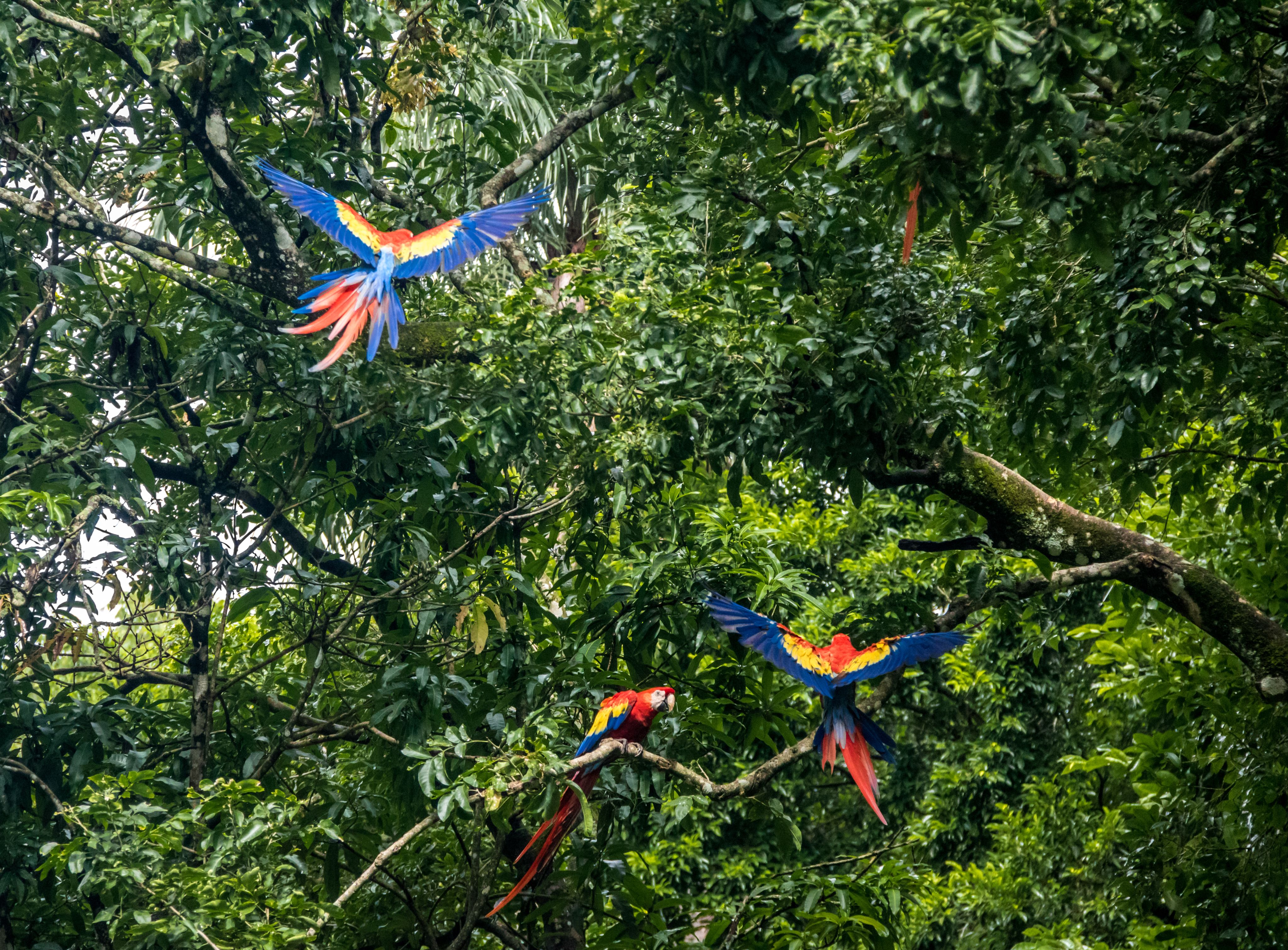

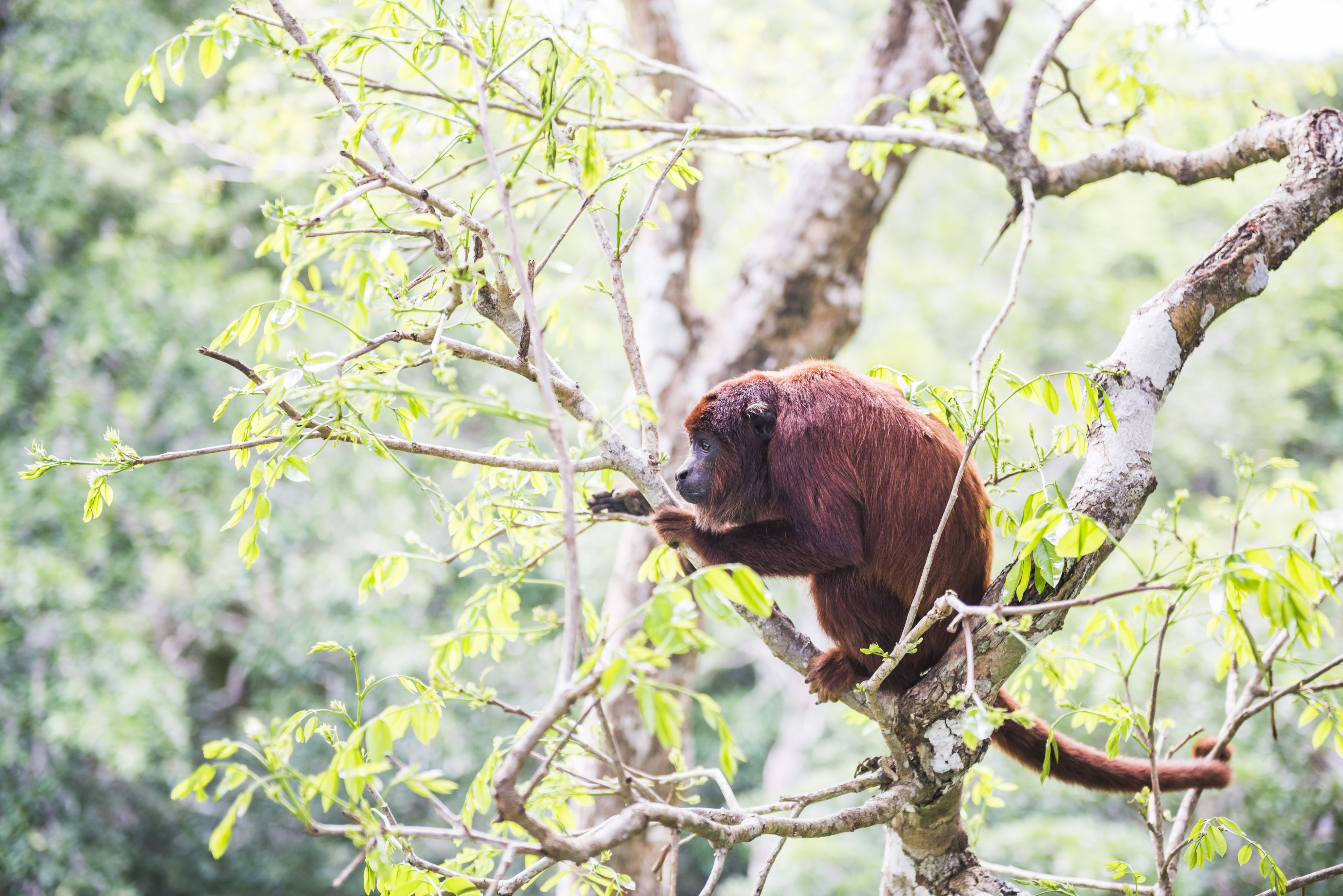
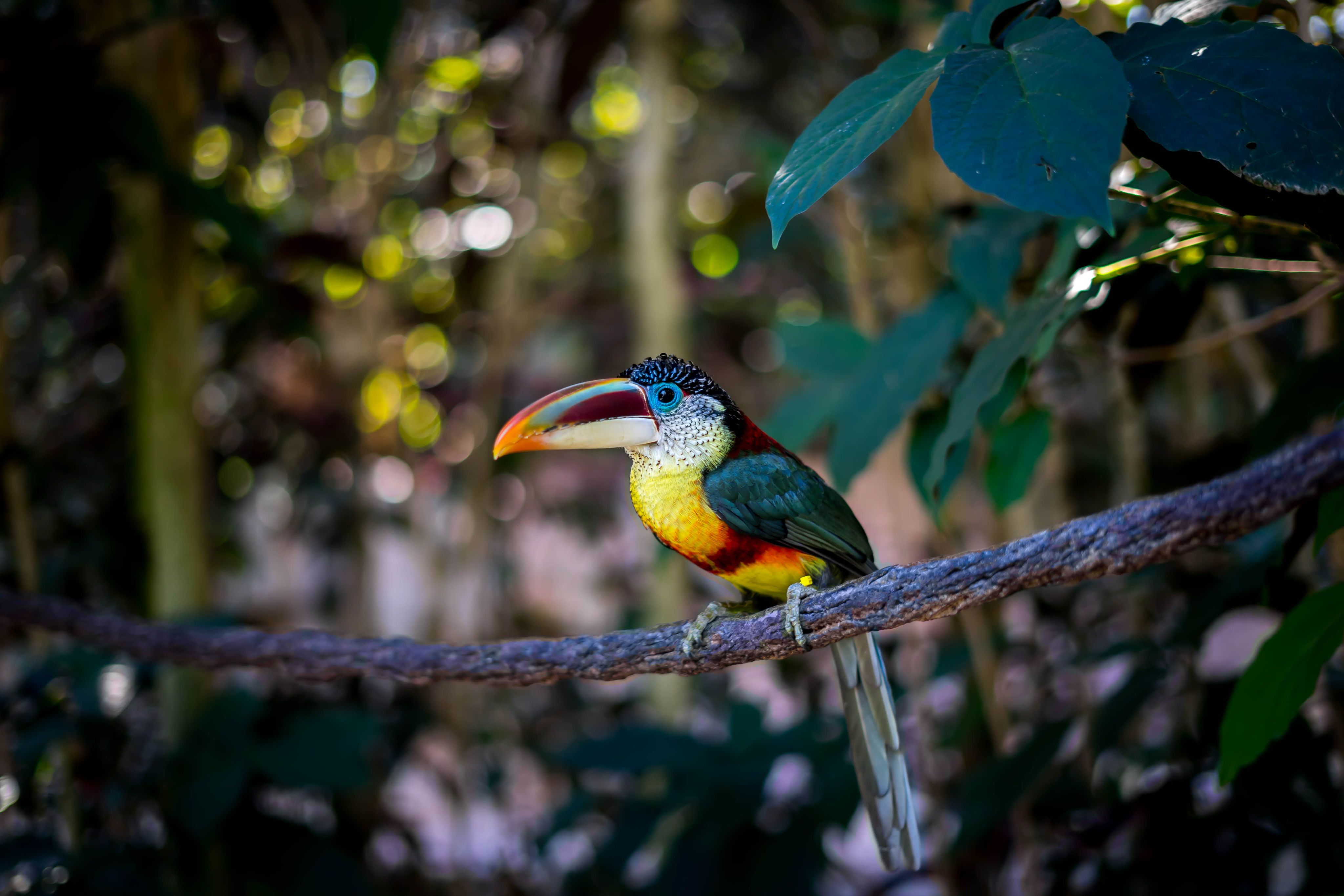
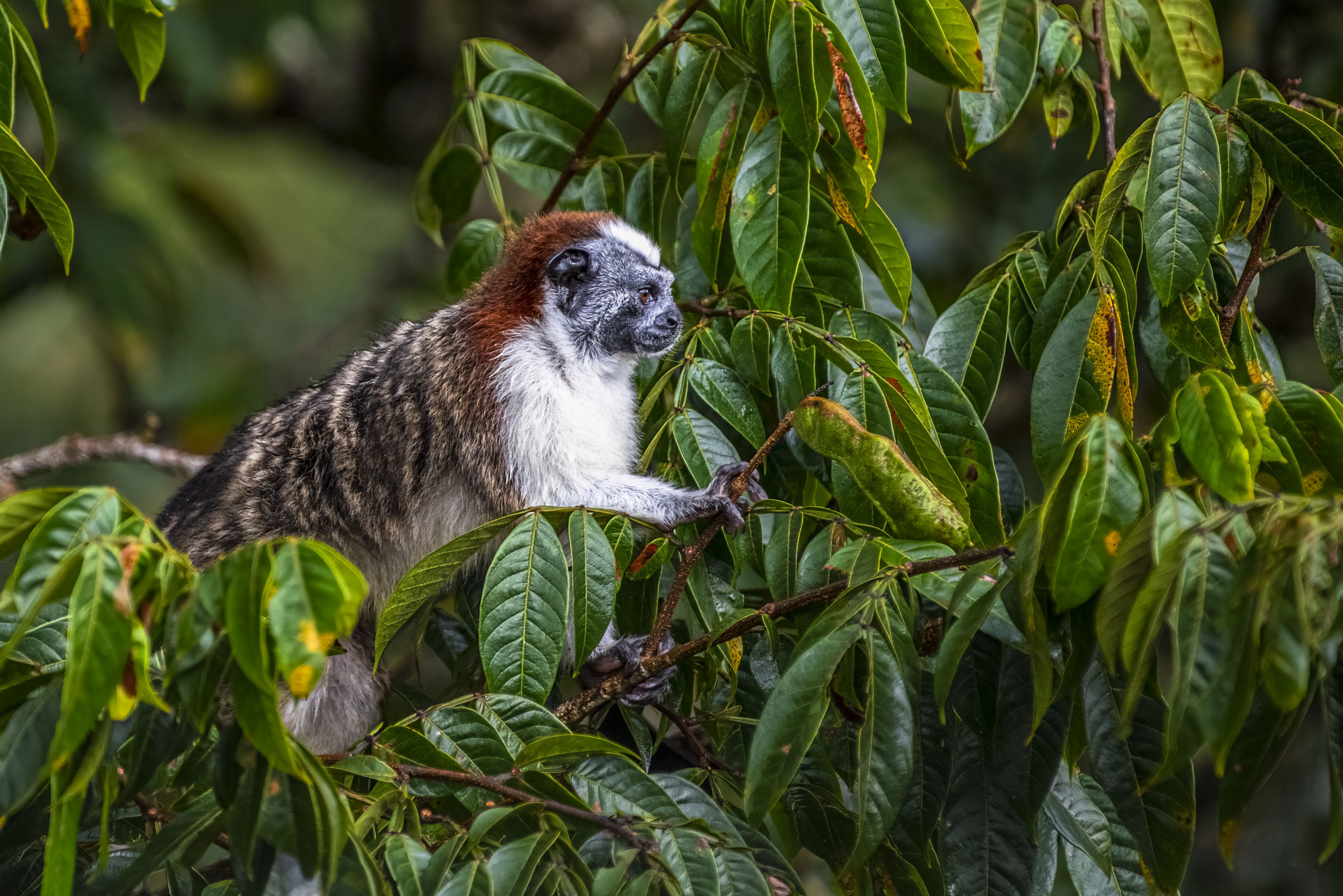
In the biodiverse landscapes of Sucumbíos Province in northeastern Ecuador, where the Amazon rainforest meets the Andean foothills, local communities are taking the lead in conservation. Flor Juanga, a representative of the Indigenous Shuar community, is one such voice. Through her involvement in the Life Plans supported by PROAmazonía, Flor shares how women, nature, and tradition intertwine to protect not just the forest – but also the countless species that call it home. Home to both Andean and Amazonian ecosystems, Sucumbíos is especially rich in biodiversity, with tropical forests and rivers that support endangered mammals, vibrant birds, and unique plant species.

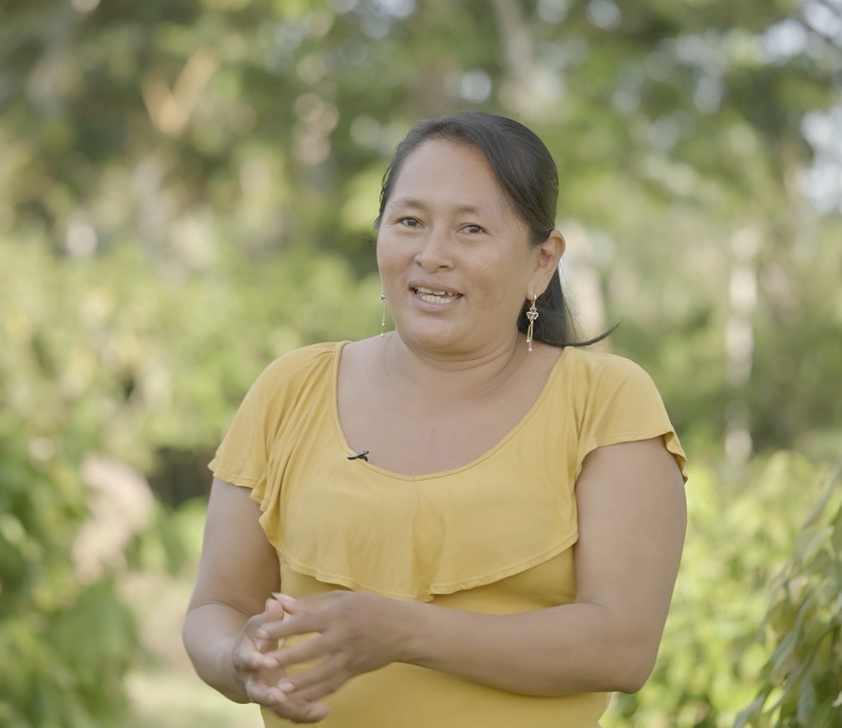
Good afternoon, Flor. Can you introduce yourself?
Good afternoon. My name is Flor Juanga. I am a representative of the Shuar community, born and raised here in the province of Sucumbíos. I’m 42 years old, and I’ve lived my entire life in this region.
What role have women played in conservation efforts in your area?
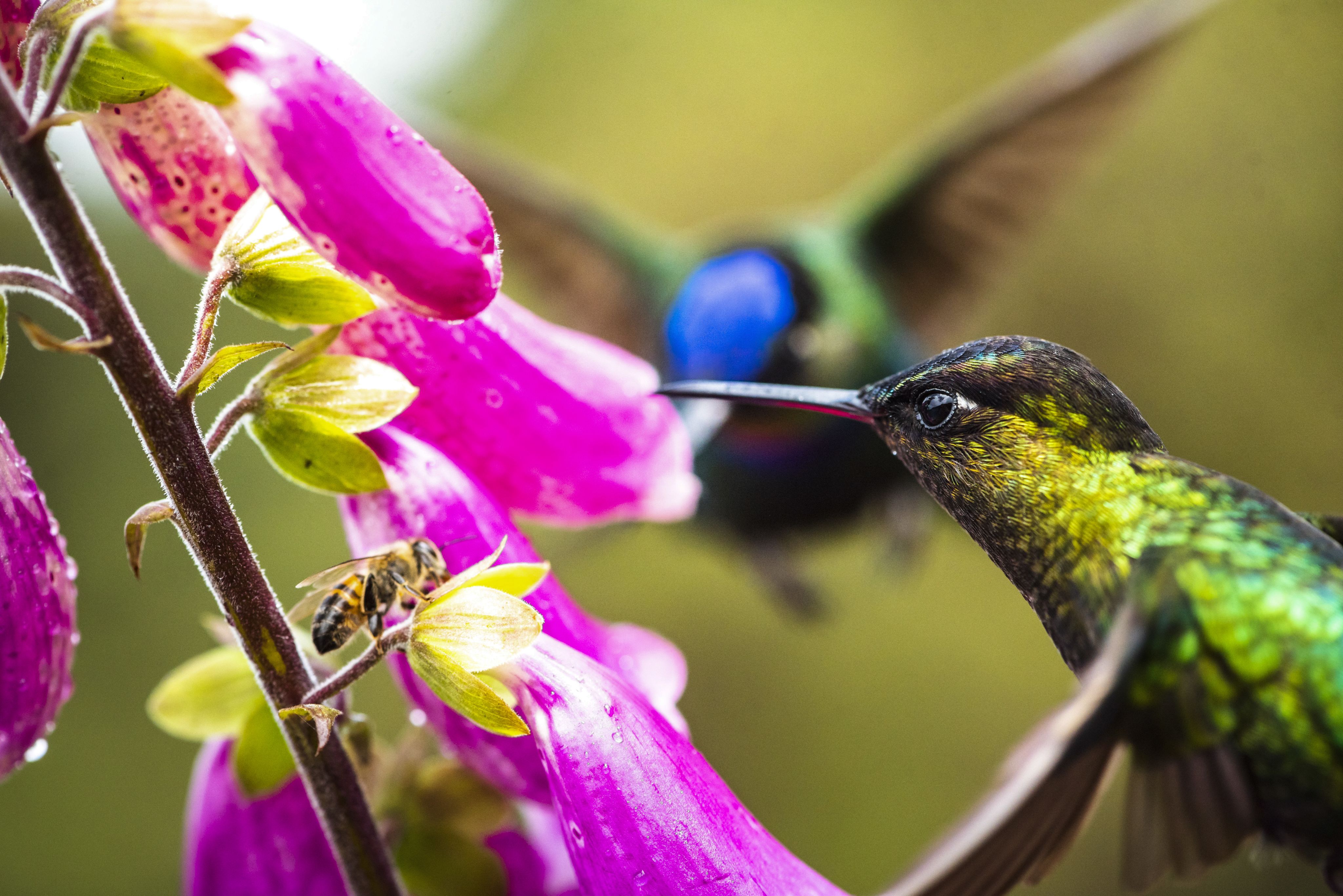
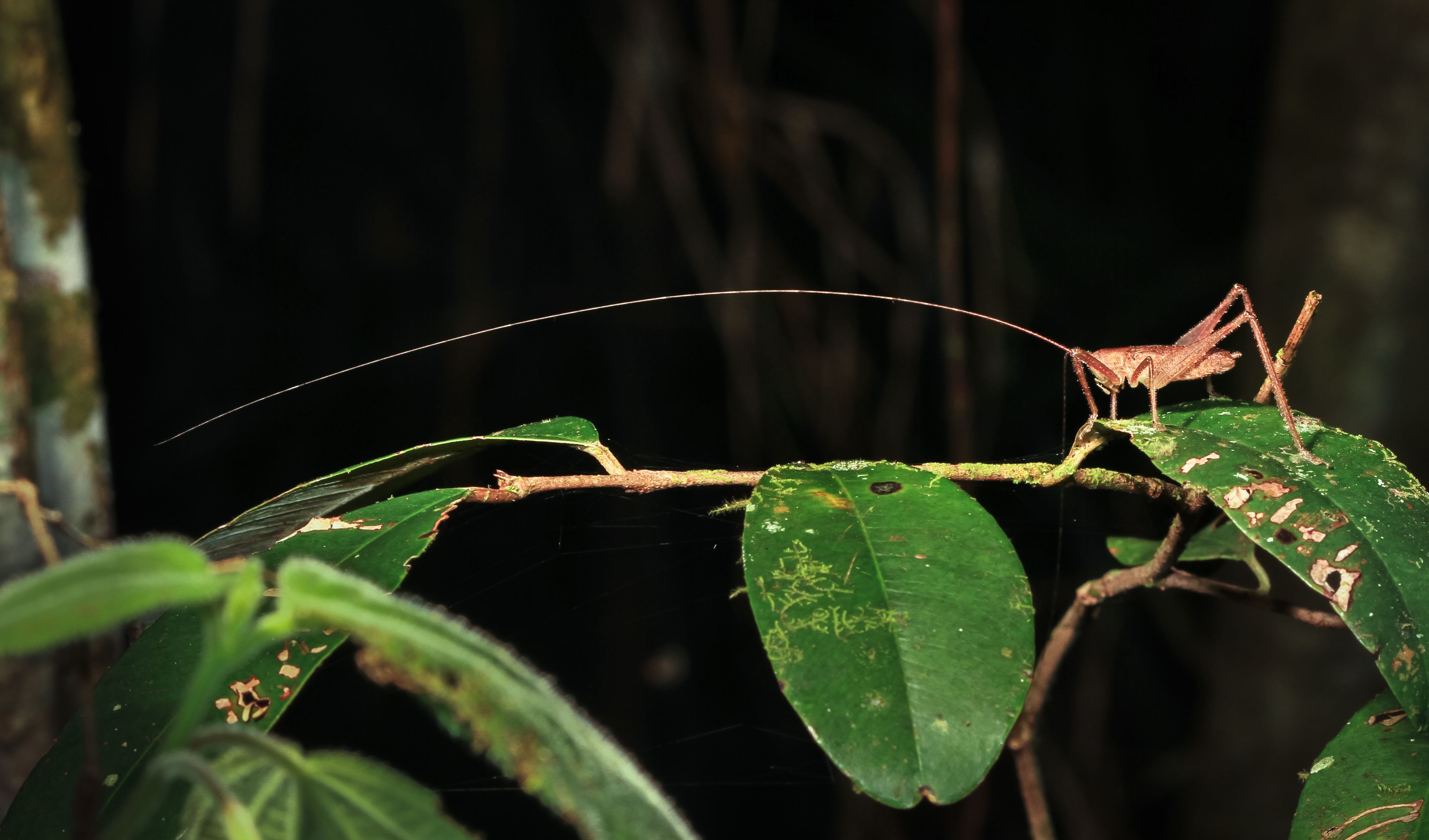
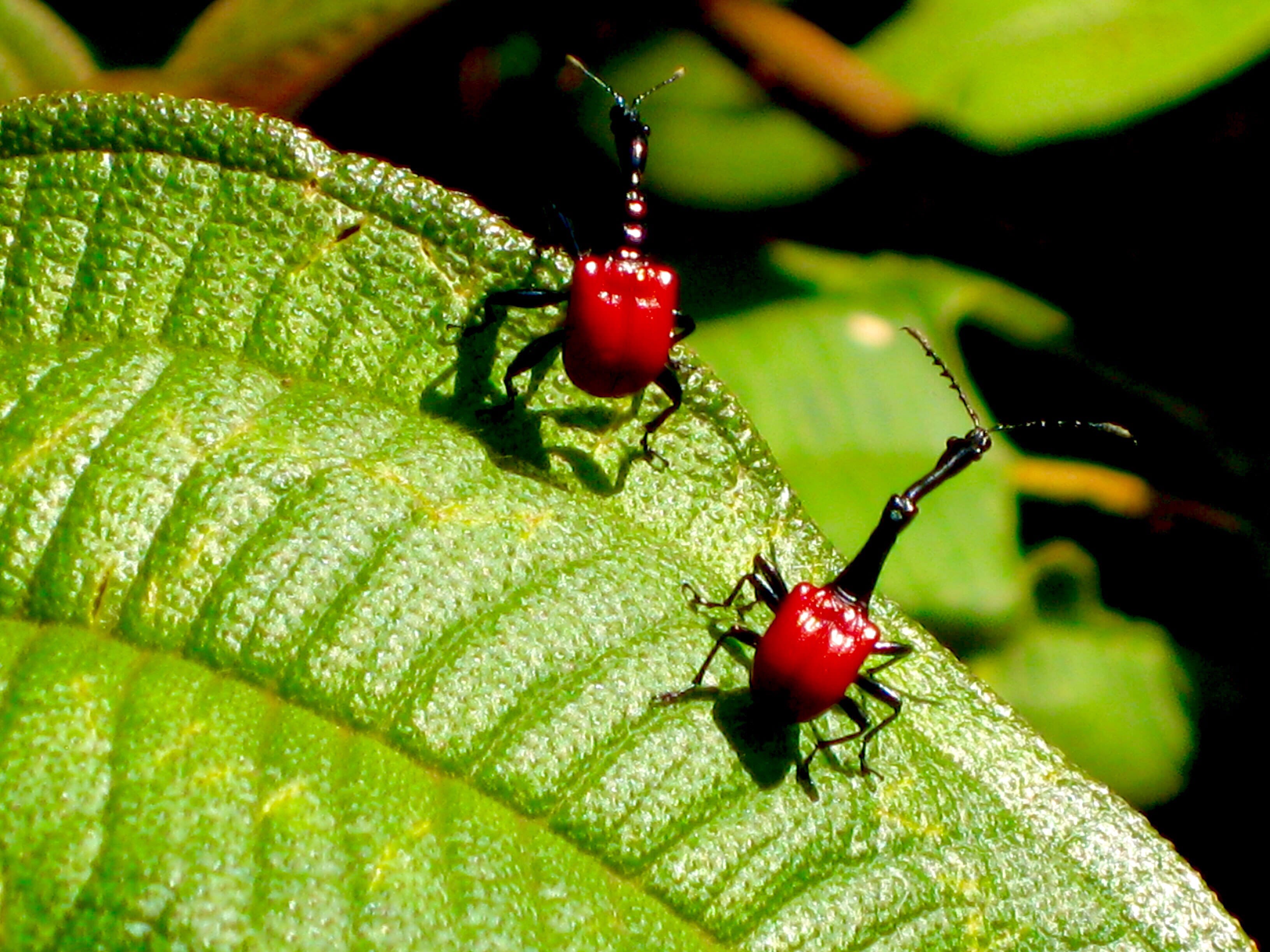
Women in our community play a vital role in environmental conservation. As farmers, we dedicate ourselves to cultivating fruit and food crops while also planting native and forest trees that provide shelter and food for birds, insects, and other animals. . In my case, I’ve planted species like laurel, balsam, and melina. These trees attract birds and help maintain the balance of the ecosystem. Planting helps reforest our land, which is essential today given the level of pollution we’re facing. Trees help protect our health by purifying the air and mitigating the effects of strong sun exposure. In this way, we not only protect our families and forests but also prevent the spread of disease and create safe habitats for many creatures.

Why did you decide to be part of PROAmazonia’s Life Plans to participate in this project, and what are your hopes for the future?
I joined this project because I’m deeply concerned about climate change and environmental degradation. Pollution affects not just us but also our rivers, wildlife, and future generations. By planting trees, we’re not doing it for profit – we’re doing it to care for the land and protect life. I want to ensure that my children, and the children of our community, inherit a healthy environment. In areas that are already deforested, the heat is intense, the climate is disrupted, and diseases are more common. Through reforestation, we can reverse some of that damage and restore balance.

How do you feel when you see areas of the forest that have been deforested?
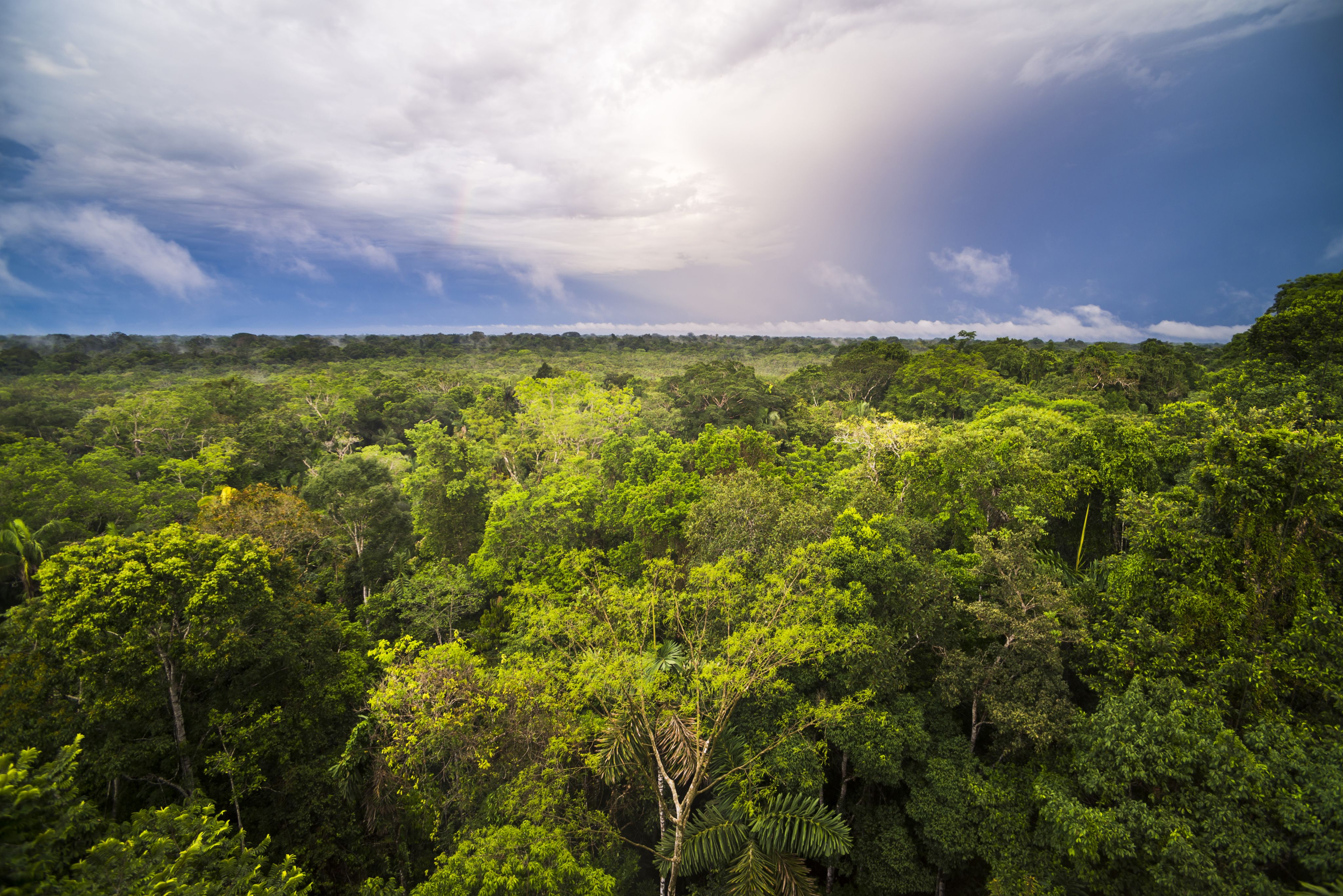
It breaks my heart. Often, people cut down trees out of necessity or a lack of awareness. But when we destroy the forest, we are also harming our own families. Many people don’t realize that deforestation means birds disappear, animals suffer, and the balance of nature collapses. Trees are life. Planting them gives us clean air, peace, and joy. A healthy forest means a healthy home, free from pollution.


What is the importance of forests and trees to you?
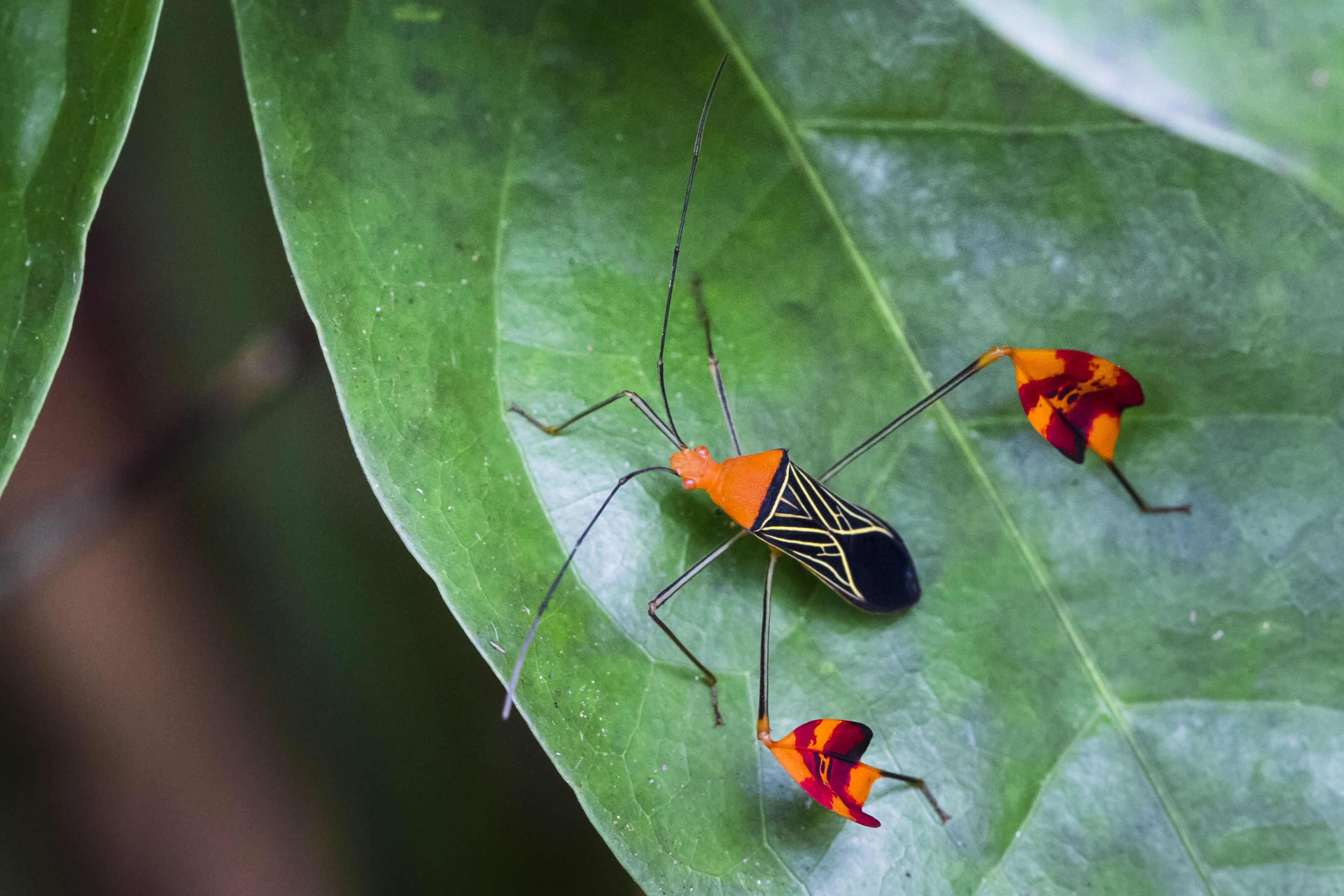
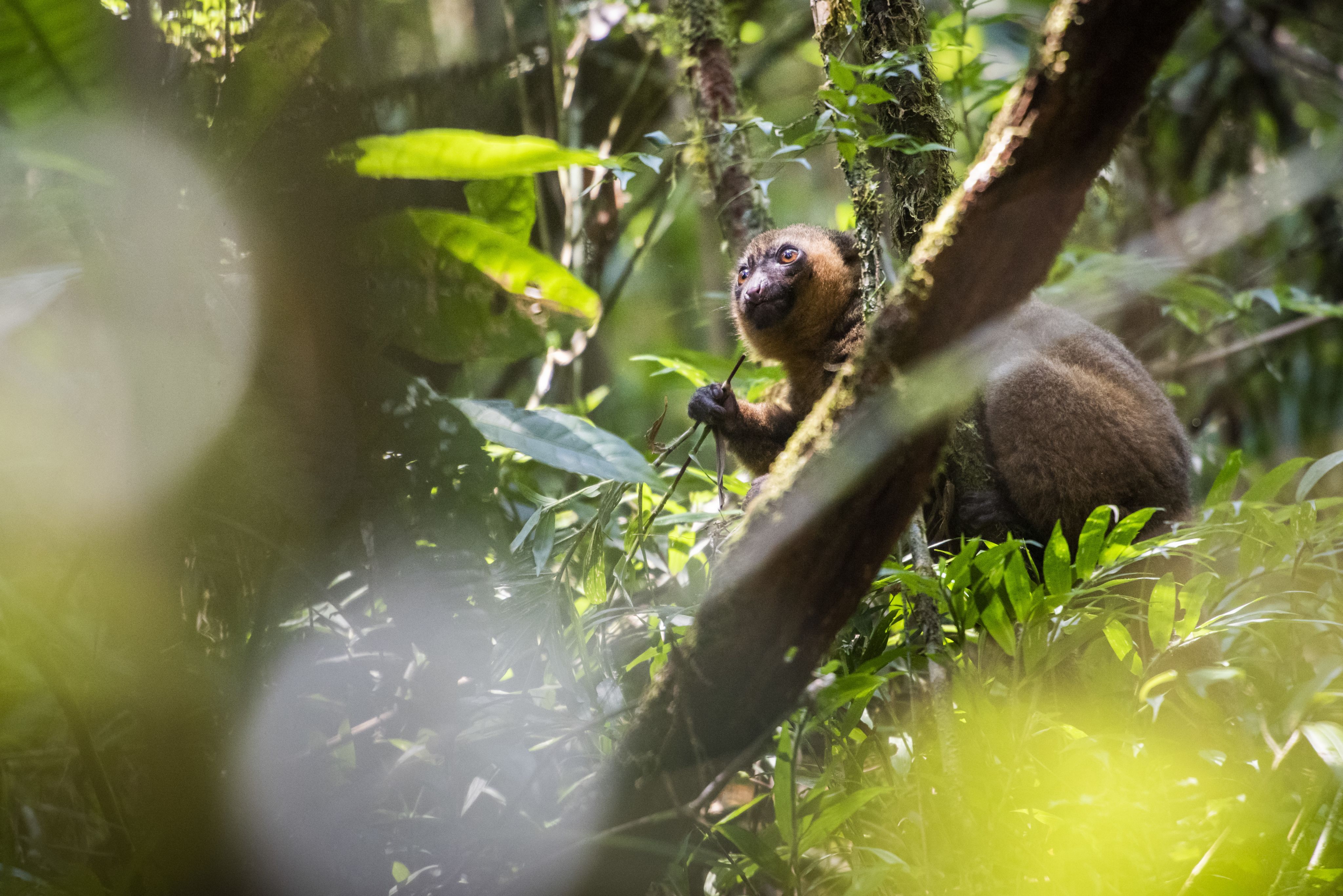
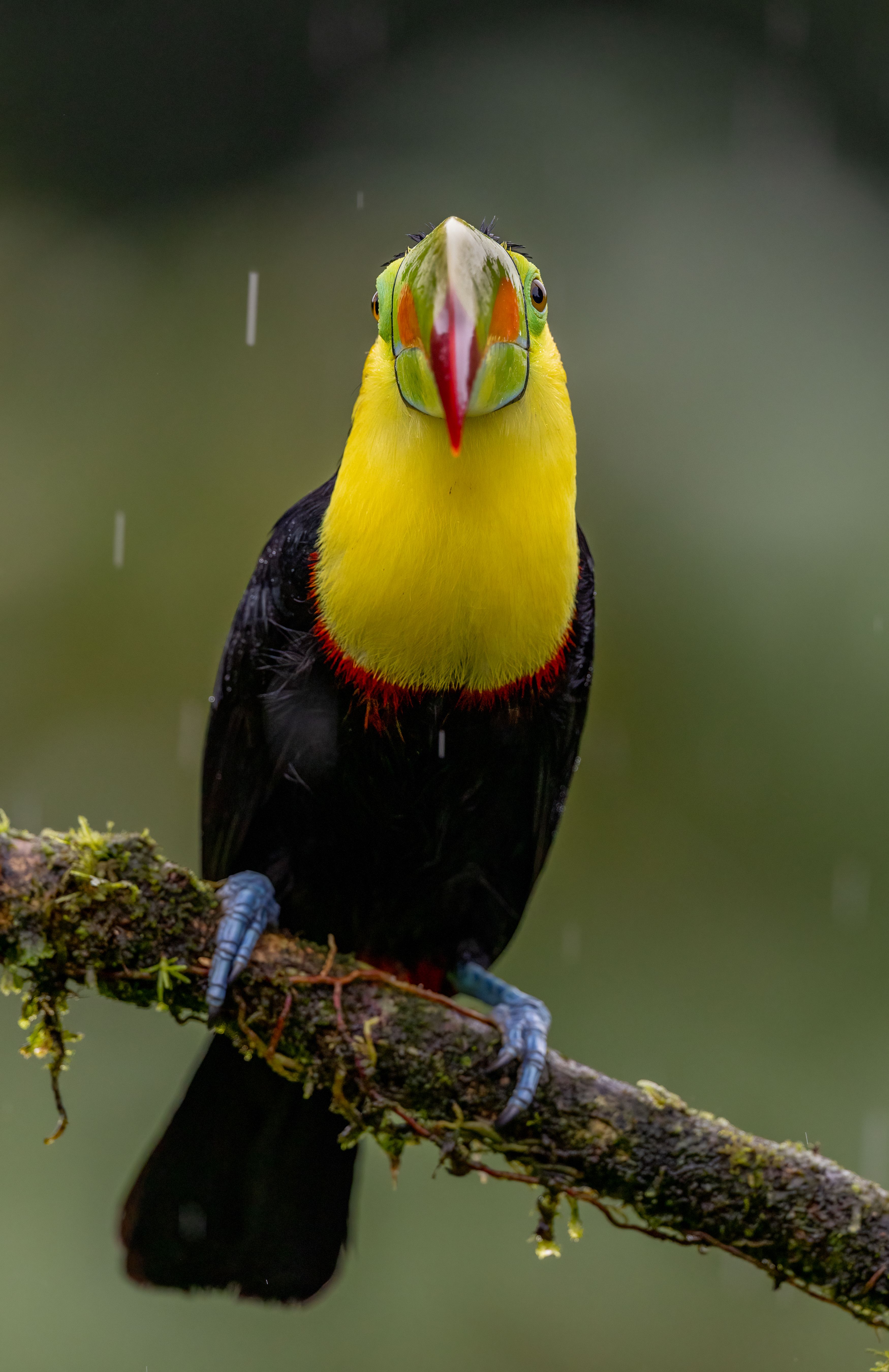
Forests are incredibly important – they support both flora and fauna. By planting trees, we create habitats for birds and other animals, and we foster a connection between people and nature. A thriving forest is like a living sanctuary, where humans and wildlife can coexist. Trees bring life not just to nature, but also to our communities.

How can children be taught to care for the environment?
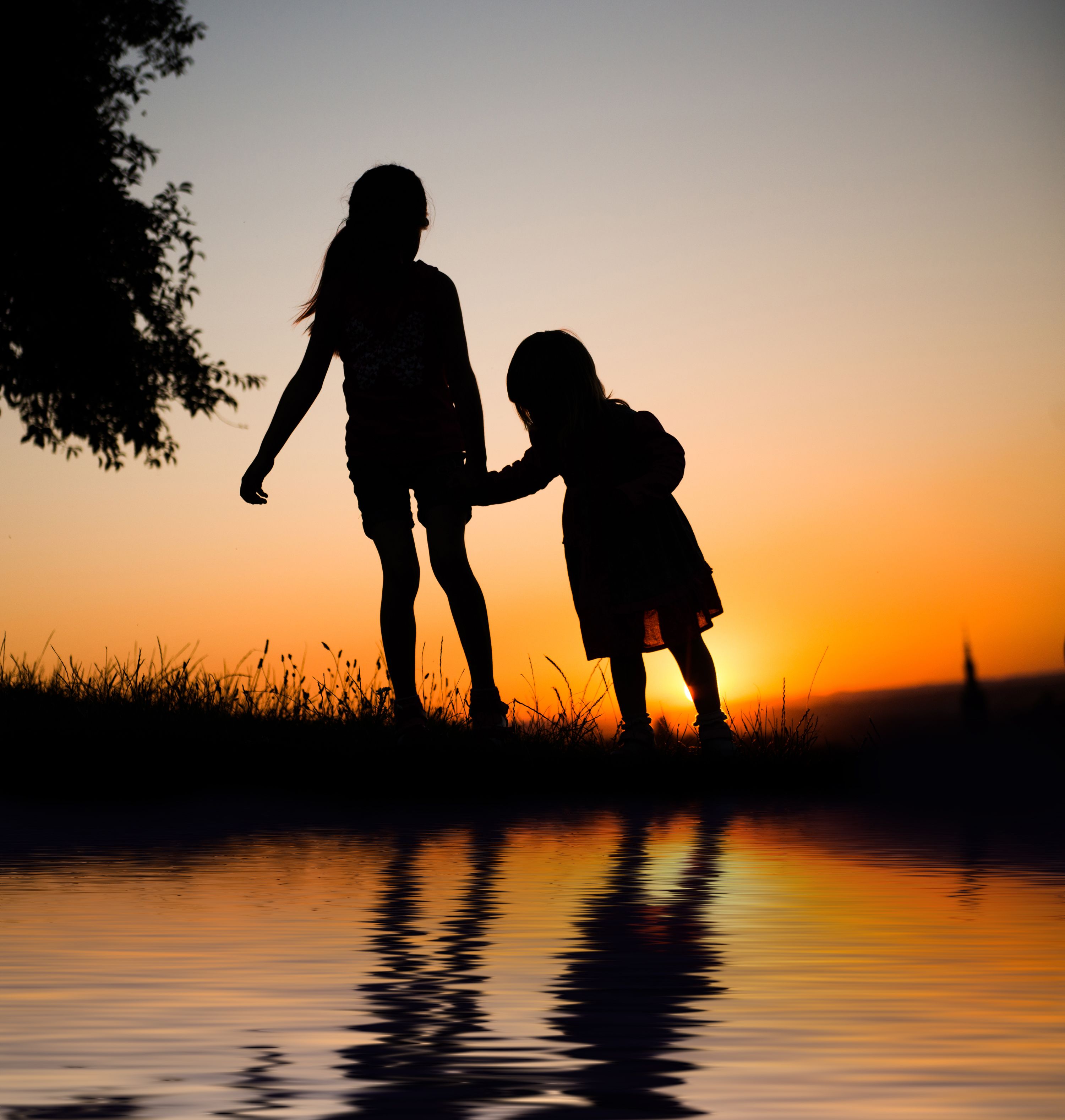
Education starts at home and continues in schools. We need to teach children by example – how to plant, how to care for nature, how to value the forest. If a tree is cut down, we should teach them to plant two. Every tree we plant is a lesson in responsibility and care for the future.

Is it possible to live without cutting down the forest?
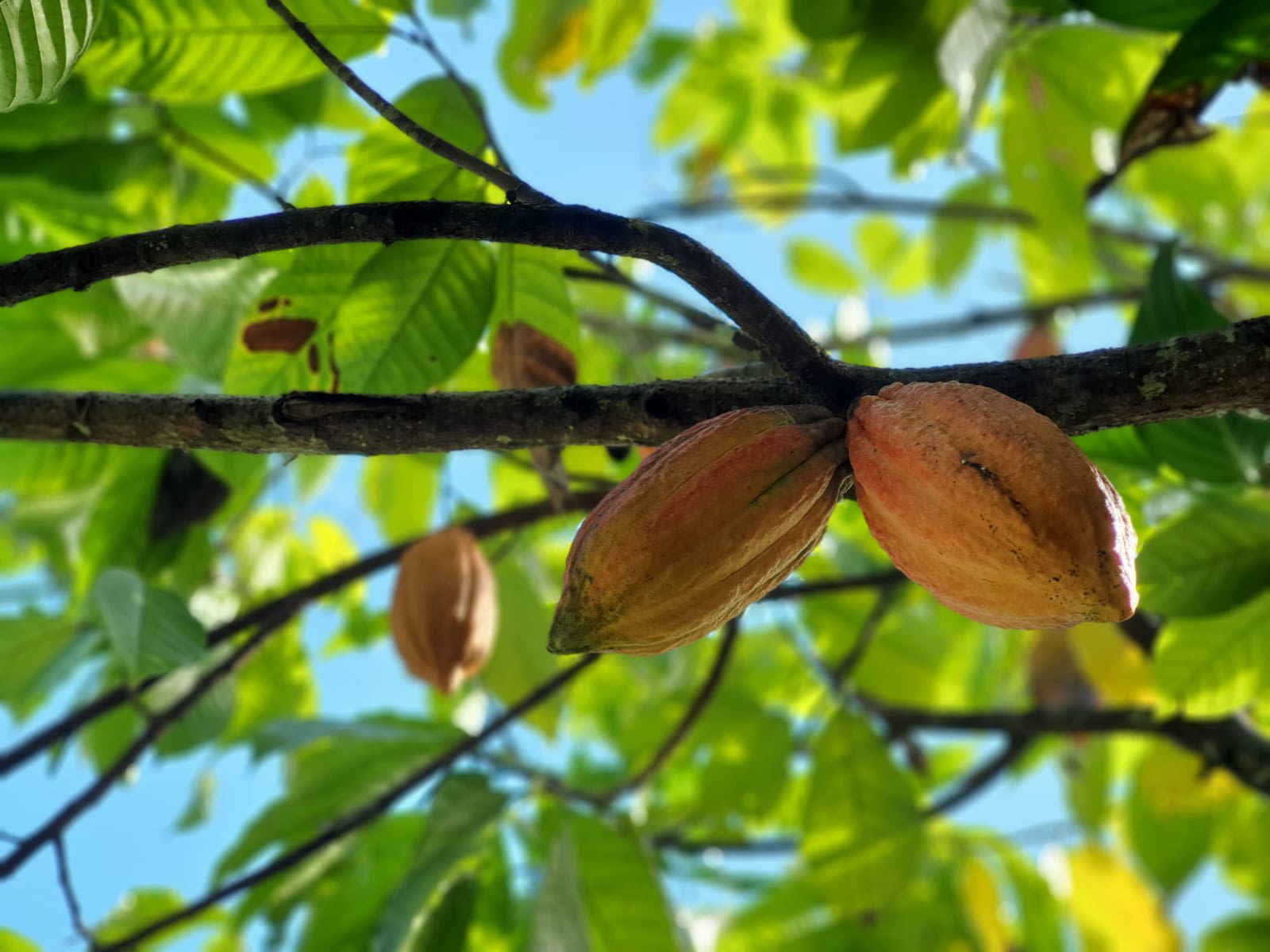
Yes, it is possible – especially when institutions support us. For example, we've received help growing cacao plants. In return, we commit to reforesting and protecting native trees. By combining our resources with external support, we can care for the environment without having to destroy it. It’s about balance and respect.

Why is the role of women so important in your community?
Women are the foundation of the household. We are the caregivers and the planners. Our work is focused on the well-being of our children and our families. In agriculture, when a woman plants cacao or coffee, she’s not just working – she’s investing in the future. She’s ensuring that her children will benefit from that tree one day.


How has planting trees impacted your life?
This project has been a great blessing. We don’t have stable jobs or monthly income, but with the help of these plants, we can support our families. These trees offer long-term benefits, not just for me but for many families in our community. They represent hope, opportunity, and a healthier future for the next generation.


This interview was recorded by UNDP Climate, with support from the UN-REDD Programme showcasing PROAmazonia’s work on the territorial life plans in Ecuador.
UNDP Climate & Forests systematically promotes social equity, including the rights, knowledge, and inclusion of Indigenous Peoples and local communities, to ensure forest solutions to climate change contribute meaningfully to delivering on the NDCs and advancing the SDGs.
The views expressed in this interview are solely those of the interviewee and do not necessarily reflect the official policies or positions of UNDP.
 Built with Shorthand